Design That Reduces Friction, Increases Adoption, and Measurably Improves Retention
Syscomatic's product designers validate every interface decision with real user data - not assumptions made in a whiteboard session. From structured UX research through high-fidelity UI design to handover-ready Figma design systems with Storybook documentation, every engagement produces measurable improvements in the metrics that determine your product's long-term survival: activation rate, session depth, and 30-day retention.
Everything a Growing Business Needs Under One Roof
The Problem
Most digital products fail not because they were built poorly, but because they were designed based on assumptions that were never tested against real users. Features get built that users ignore. Navigation paths that made sense in a whiteboard session create confusion in production. Onboarding flows that looked clean in Figma produce 60% drop-off rates in reality. By the time these problems surface, fixing them is expensive. Ignoring them is more expensive.
Our Solution
Syscomatic designs products from validated user insight - not from wireframes built in assumption. Every product design engagement begins with structured research: interviews with real members of your target audience, competitive product analysis, and behavioural flow mapping. We establish what your users actually do, what frustrates them, what language they use to describe their problems, and where your competitors are failing them - before any visual design work begins. Interface decisions have documented research justifications, not aesthetic rationales.
What You Recieve
Research documentation including user personas, journey maps, and competitive audit. Information architecture: site maps and validated user flow diagrams. Wireframes reviewed and approved before high-fidelity work begins. Final UI designs in Figma at all required breakpoints - desktop, tablet, mobile. A complete design system with component library, design tokens, and Storybook documentation. A developer handover package with annotated specs, interaction notes, and asset exports that eliminates ambiguity for your engineering team from the first sprint.
Product Design
Design That Reduces Friction, Increases Adoption, and Measurably Improves Retention
UX Research, User Interviews & Persona Development
The single most reliable predictor of a product's success is how accurately its creators understand the people who will use it - not how much the team believes in the product idea. Syscomatic's UX researchers conduct structured 45-minute user interviews with real members of your target audience, targeted surveys, competitive product audits, and behavioural analysis to construct detailed, evidence-based user personas and journey maps. These documents capture not just what users do - but why they do it, what frustrates them about current solutions, what language they use when describing their problems, and where they abandon the products they currently use. Every research finding is documented in a shareable report that becomes the factual foundation every subsequent design decision references. No design work begins until the research is complete and signed off - because the most expensive design work is design work built on a misunderstanding of your user.
User Interviews
Journey Mapping
Behavioural Analysis
Competitive Audit
Usability Testing &
Friction Analysis
A product that looks clean in Figma and fails in production is a common and expensive outcome. Syscomatic tests prototypes and live products with real users from your target audience - identifying precisely where they get confused, where they abandon tasks, and where poorly written UI copy creates hesitation that users don't articulate but act on immediately. Every usability testing session produces a prioritised remediation list ranked by impact on conversion and retention, with specific recommendations rather than generic observations. Heatmap analysis, session recording, A/B test design, and structured task completion testing are all applied as appropriate to the product context.
Heatmap Analysis
A/B Testing
Session Recording
Task Completion Testing
Information Architecture & User Flow Design
The structure of your product - how pages connect, where features live, how users navigate from entry point to completed goal - is more consequential than its visual appearance. A beautiful interface with broken information architecture loses users at every decision point. Syscomatic establishes a clear, validated information architecture before any high-fidelity design work begins - site maps, user flow diagrams, and navigation structures tested against user mental models through card sorting and tree testing. This prevents the structural changes that derail projects at the development stage, when they are most expensive to fix and most likely to cause timeline and budget overruns.
Site Maps
User Flow Diagrams
Navigation Architecture
Card Sorting
Design System Architecture
A mature design system is the infrastructure that keeps your product visually consistent as it scales across features, teams, and platforms over time. Syscomatic builds token-based design systems in Figma - with a complete component library covering every UI element your product uses, design tokens for colour, typography, spacing, border radius, and shadow defined as Figma variables and exported as CSS and JSON for engineering use, Storybook documentation your engineering team references during development, and a versioning and governance strategy your team can maintain independently long after our engagement ends. Every component is built to WCAG 2.1 AA accessibility standards.
Figma Component Library
Design Tokens
Storybook Documentation
WCAG Accessibility
High-Fidelity UI Design & Interactive Prototyping
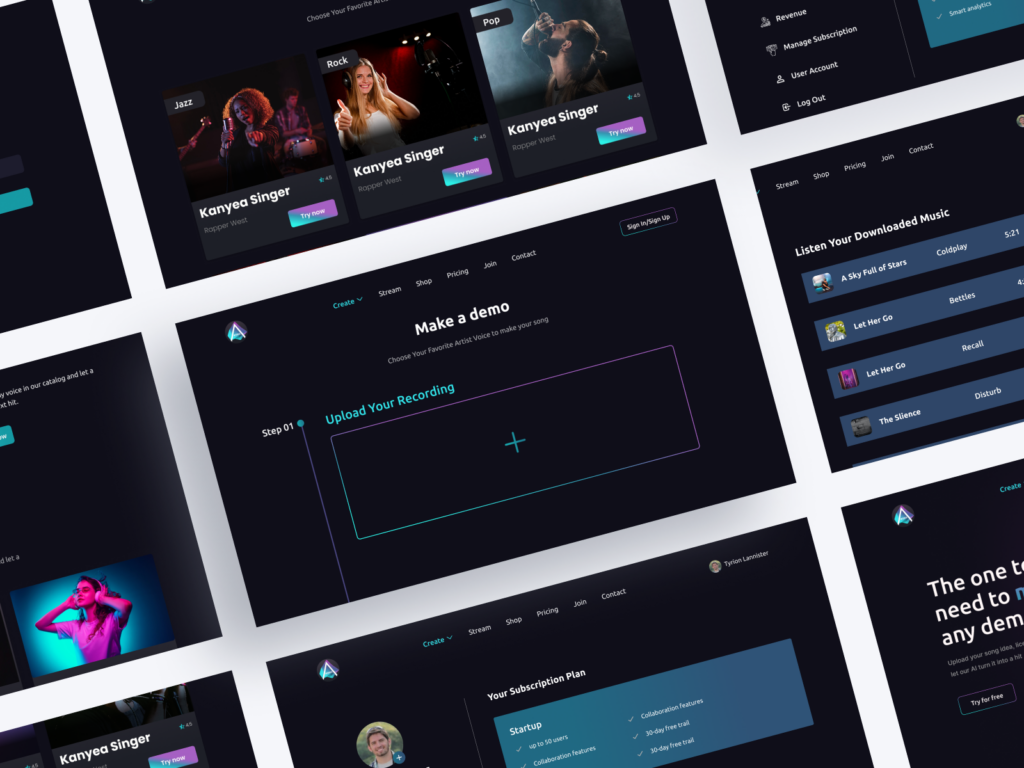
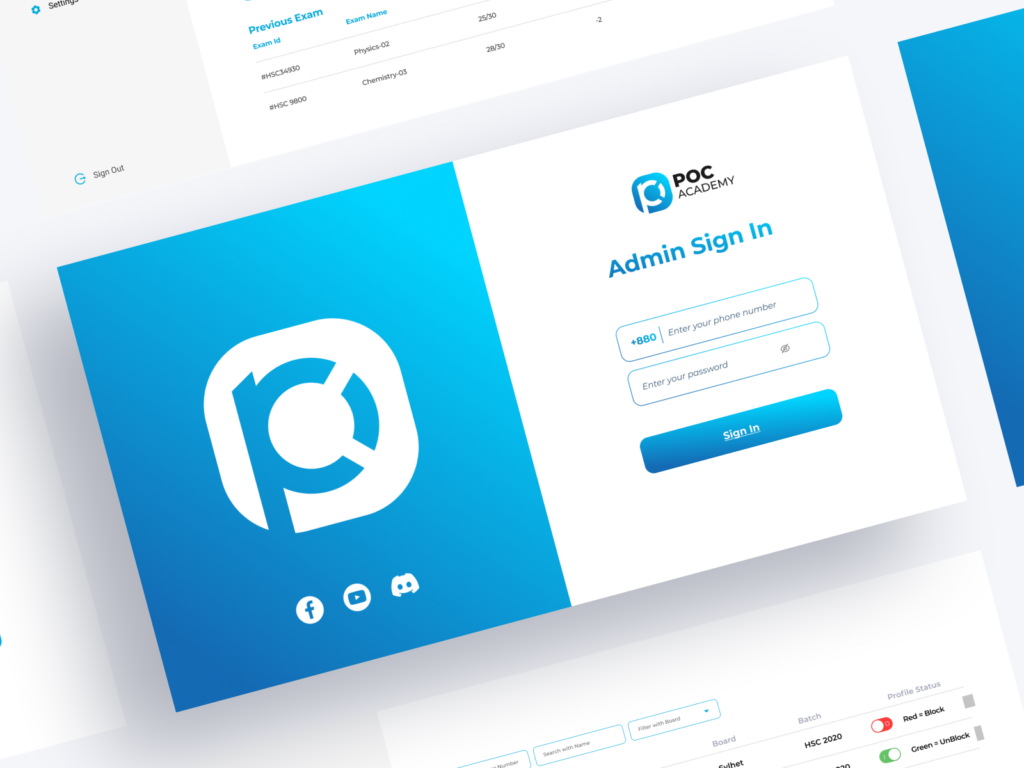
Once information architecture and user flows are validated through research and testing, Syscomatic's UI designers produce high-fidelity interface designs in Figma at all required breakpoints - desktop, tablet, and mobile. Every screen includes all required states: default, hover, active, error, empty, and loading. Interactive prototypes are built for user testing and stakeholder review before designs are handed to development, eliminating the interpretation gap that causes re-work in engineering. All Figma files use named layers, organised frames, developer-mode annotations, and asset exports configured for direct use by your engineering team without additional preparation.
Figma Design
Responsive Breakpoints
Interactive Prototypes
Developer Annotations
UX Audit & Conversion Optimisation
Already have a product in production but losing users at a rate you can't explain? Syscomatic conducts comprehensive UX audits of live digital products - reviewing information architecture against user mental models, evaluating navigation clarity and menu taxonomy, identifying friction in conversion-critical flows, auditing UI copy for clarity and confidence at each decision point, and benchmarking interface patterns against current best practices in your product category. The output is a prioritised remediation roadmap with specific, actionable fixes ranked by expected impact on retention, activation, and conversion - not a list of abstract best-practice recommendations that could apply to any product.
UX Audit
Conversion Optimisation
Friction Analysis
Remediation Roadmap
Common Questions
Questions People Ask Before Working With Syscomatic
Honest, specific answers to the questions businesses most commonly ask when evaluating a product design agency.
What does a product design project with Syscomatic include?
Each project includes research documentation, validated information architecture, high-fidelity Figma designs, and a comprehensive developer handover package.
How long does a UX/UI design project take?
Typical engagements range from 2 weeks for audits to 16 weeks for full product designs under fixed timelines.
Do you deliver development-ready designs or just visual mockups?
We deliver fully annotated, development-ready Figma files with interactive prototypes and exported assets as standard.
Can Syscomatic redesign an existing product rather than design from scratch?
Yes, we use UX audits to identify specific friction points and retention costs before strategically redesigning existing products.
What's the difference between a design system and a component library?
A design system is a complete infrastructure including tokens, documentation, and governance, whereas a component library is just a set of reusable UI elements.
Do you test with real users or internal team members?
with real users recruited from your specific target audience to identify genuine design problems.
How does your design process work if we already have brand guidelines?
We integrate your existing brand standards into our research-backed UI structures while producing any necessary digital-specific design tokens.
What software does Syscomatic use for product design?
We use Figma for design and prototyping, FigJam for workshops, and specialized tools like Storybook for documentation.
Recent Work
Real Projects. Measurable Outcomes.
A selection of what Syscomatic has built — and the specific business results each project delivered for our clients.
Is Your Product Losing Users You Can't Afford to Lose?
Share your current product URL or brief and we'll identify the three highest-impact UX improvements within 48 hours - free, specific, and without commitment.